A generator in the garage is not a plan. A plan is the answer to five questions — what runs, where the unit sits, what feeds it, who does what, and how you rehearse — written down before the weather report makes everyone improvise. This guide assembles the answers from across our library into one sequence.
Step 1: the load list decides everything
Start from the essential-load exercise in our sizing guide: what must run, its nameplate running watts, and the largest motor-start delta. That list dictates generator class, cord plan and fuel burn — and it also tells you what stays off, which is half the discipline of a real outage. Post the final list where the generator lives.
Ready.gov’s power outage checklist is a good cross-check for the non-electrical side: food safety windows, medication needs and communication plans.[1]

Step 2: fix the placement and the connections
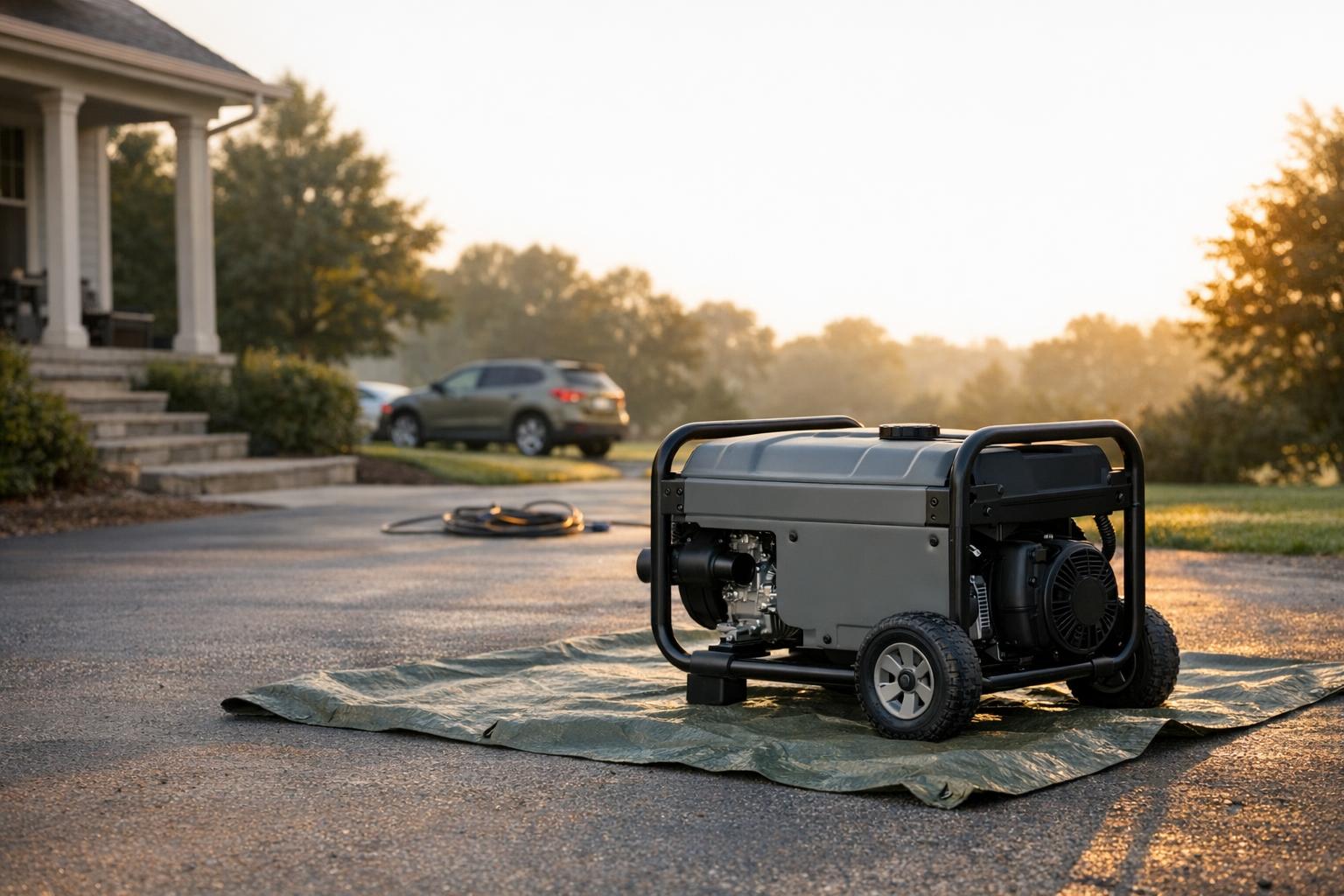
Choose and rehearse the outdoor operating position using the clearances in our CO placement guide — distance from openings, exhaust direction, dry level ground, weather cover that does not enclose. Then settle the connection question once: either an extension-cord plan with rated outdoor cords sized to their loads, or hardwired circuits through a professionally installed transfer switch or interlock, as described in our transfer switch explainer. Cords are labeled and stored with the generator; improvisation is not a connection plan.

Step 3: provision fuel to your planning horizon
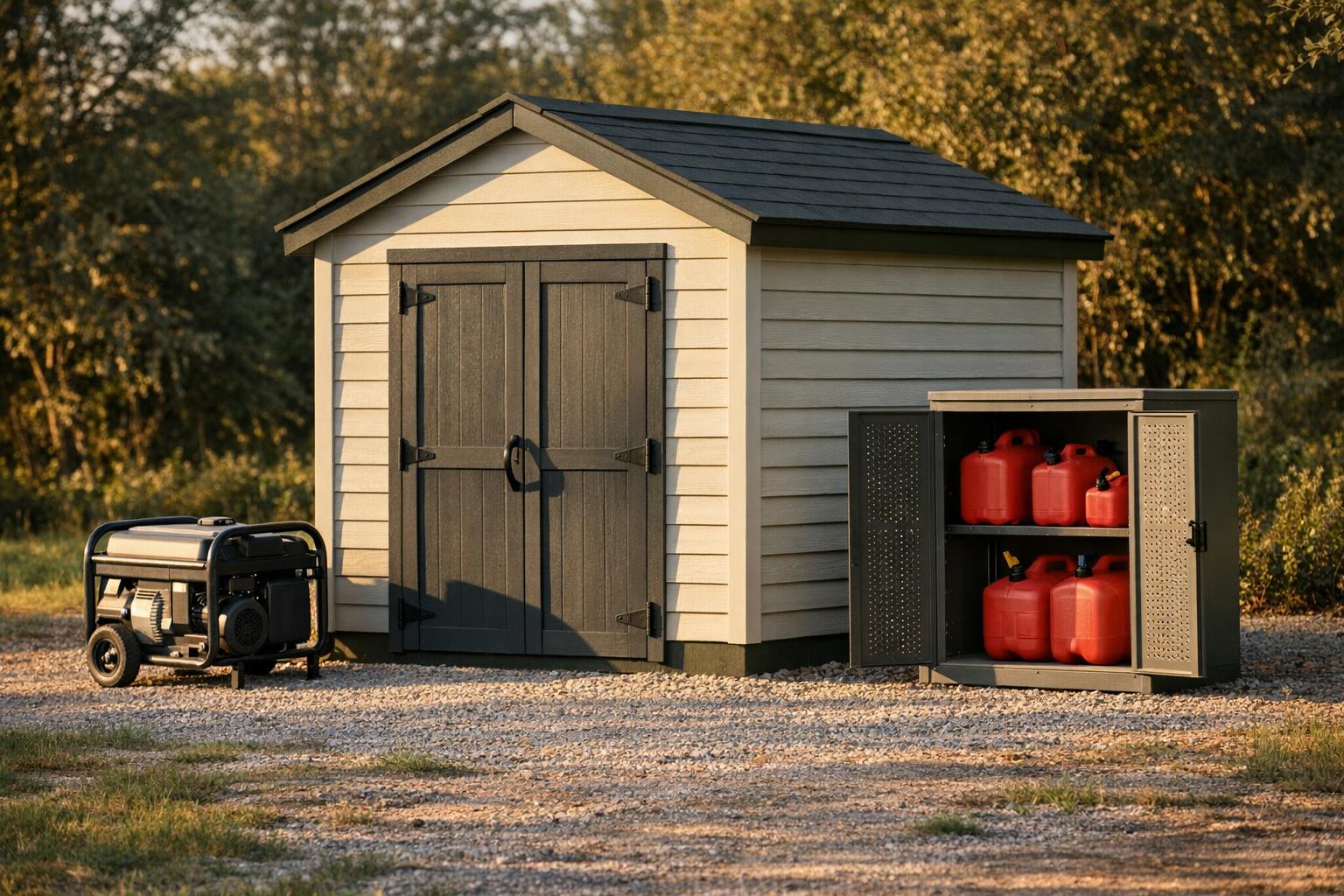
Decide how many days you are provisioning for and translate to fuel using your unit’s documented consumption — the arithmetic and storage rules live in our fuel storage guide. Dual fuel owners split the stock: propane for shelf life, gasoline for density, with rotation dates on every can. Count the stock every season; outages find the fuel corner exactly as full as your last audit left it.
Step 4: assign roles and write the one-page runbook
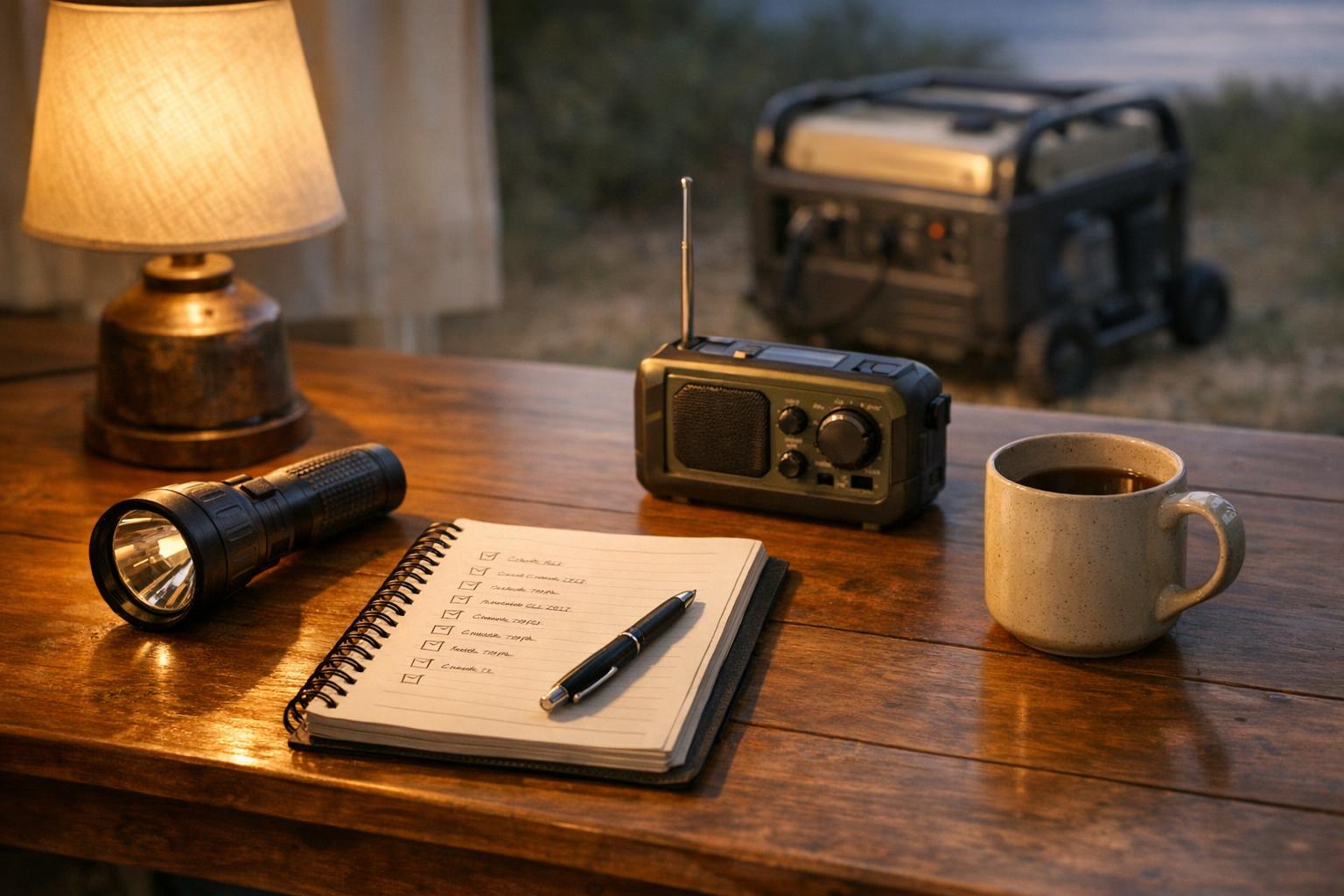
In a real outage, one person places and starts the generator, someone manages loads and cords indoors, someone checks CO alarms and food-safety timers. Write a one-page runbook: startup steps from your manual, the load list with an on/off order, refueling rules (engine off, cooled), quiet hours, and emergency numbers. Laminate it, tape it to the generator’s cover, and make sure every adult has actually read it.
Step 5: rehearse twice a year
Run the full sequence on a calm weekend: position, start, connect, carry the essential loads for half an hour, shut down, note frictions. Pair the rehearsal with the service rhythm in our maintenance schedule and the pre-season fuel audit. A plan that has been executed twice while nothing was at stake is the difference between an outage as a story and an outage as an emergency.
What this plan deliberately excludes
No indoor or garage operation ever; no backfeeding through outlets ever; no medical life-support dependency on a single portable engine — medical equipment backup follows the equipment provider’s requirements. And if your outage profile is short and your loads are small, revisit whether the quieter tool described in our generator vs power station guide fits your household better. A good plan is honest about the class of problem it solves.
Adapting the plan for renters and multi-generation households
Not every household owns the property where the generator will run, and renters face real constraints: many leases restrict fuel storage, generator use or any modification to electrical systems, and landlords may have their own rules about outdoor equipment. If you rent, confirm what is actually permitted before building a plan around hardwired circuits or even substantial fuel storage — an essentials-only, extension-cord plan with modest fuel quantities is often the only version compatible with a lease, and it is still a legitimate, complete plan within those limits.
Multi-generation households add another layer: older adults, young children and anyone with mobility limitations may need a role in the runbook that accounts for what they can safely do during an outage, and medical equipment needs deserve their own explicit line in the plan rather than an assumption that \"someone will handle it.\" Assign the physically demanding tasks — carrying fuel, connecting cords, moving the generator — to whoever in the household can do them safely, and make sure at least two people know the full startup sequence, not just one. A plan that depends on a single person being home and uninjured is missing exactly the redundancy that outage planning exists to provide.
Finally, keep a small folder — physical or digital, but accessible without power — containing your generator's manual, warranty information, the load list, and contact numbers for your electrician and utility company. During an actual outage is the worst time to be searching for a manual PDF on a phone with a dying battery; a printed folder next to the generator closes that gap for the cost of a few sheets of paper.