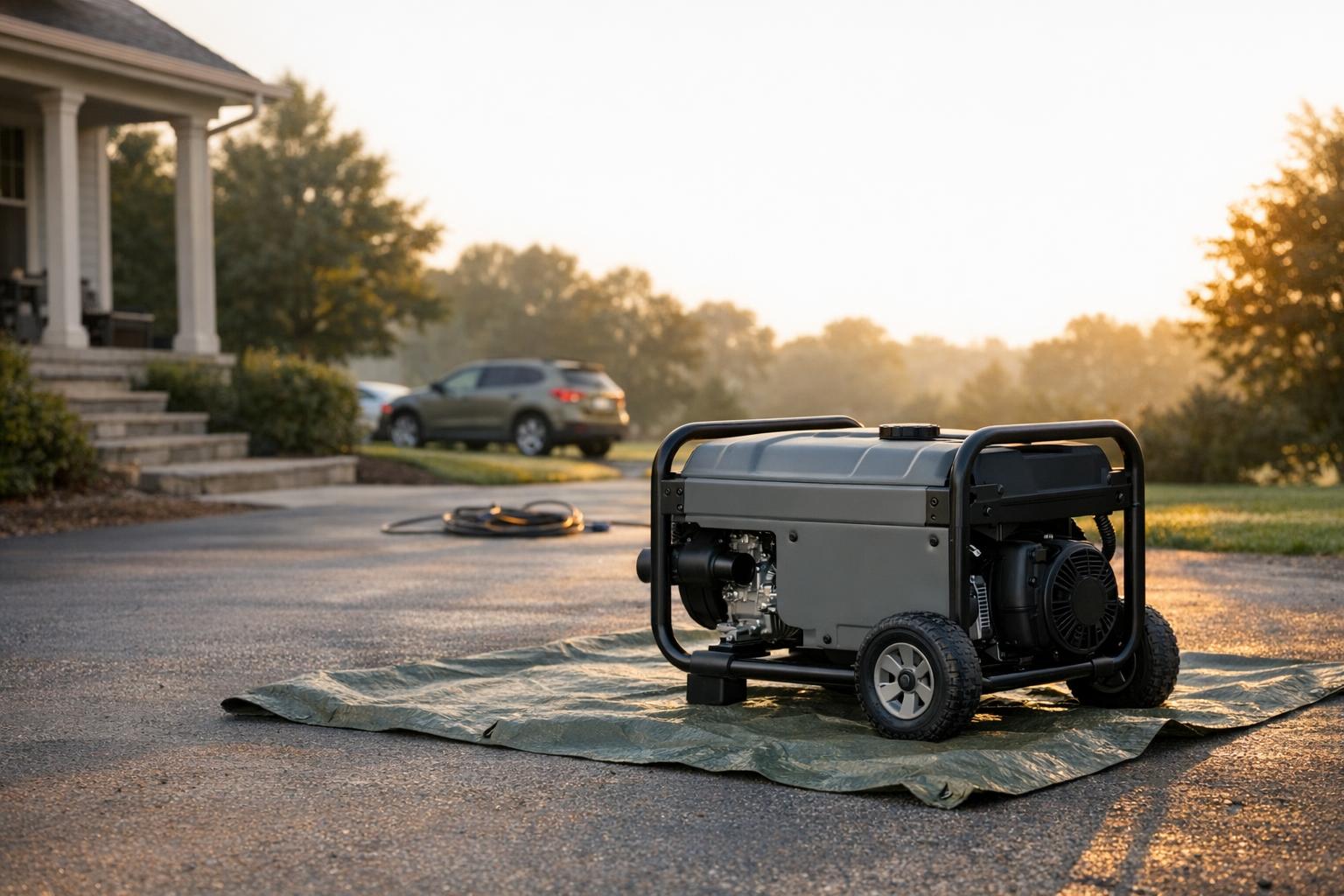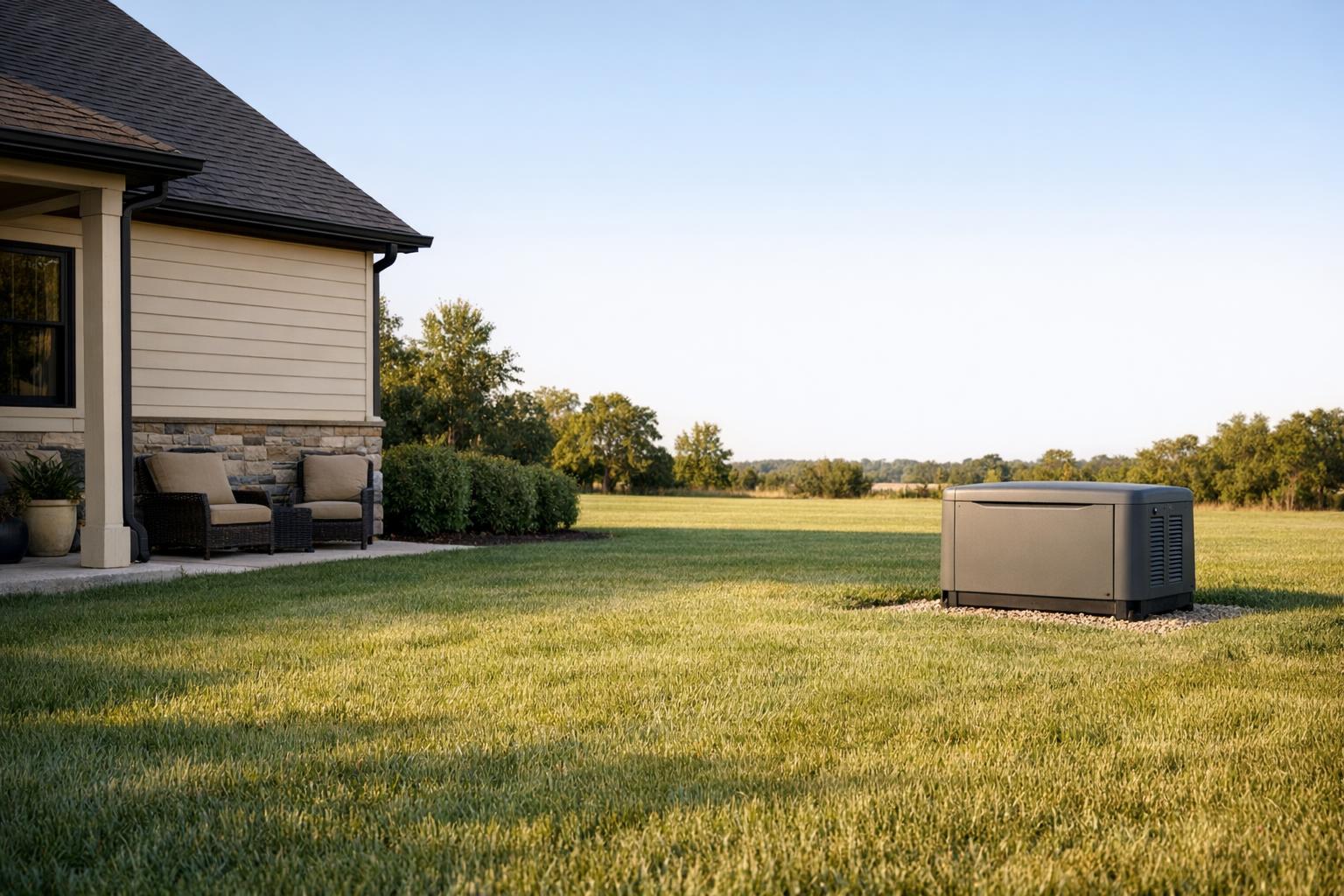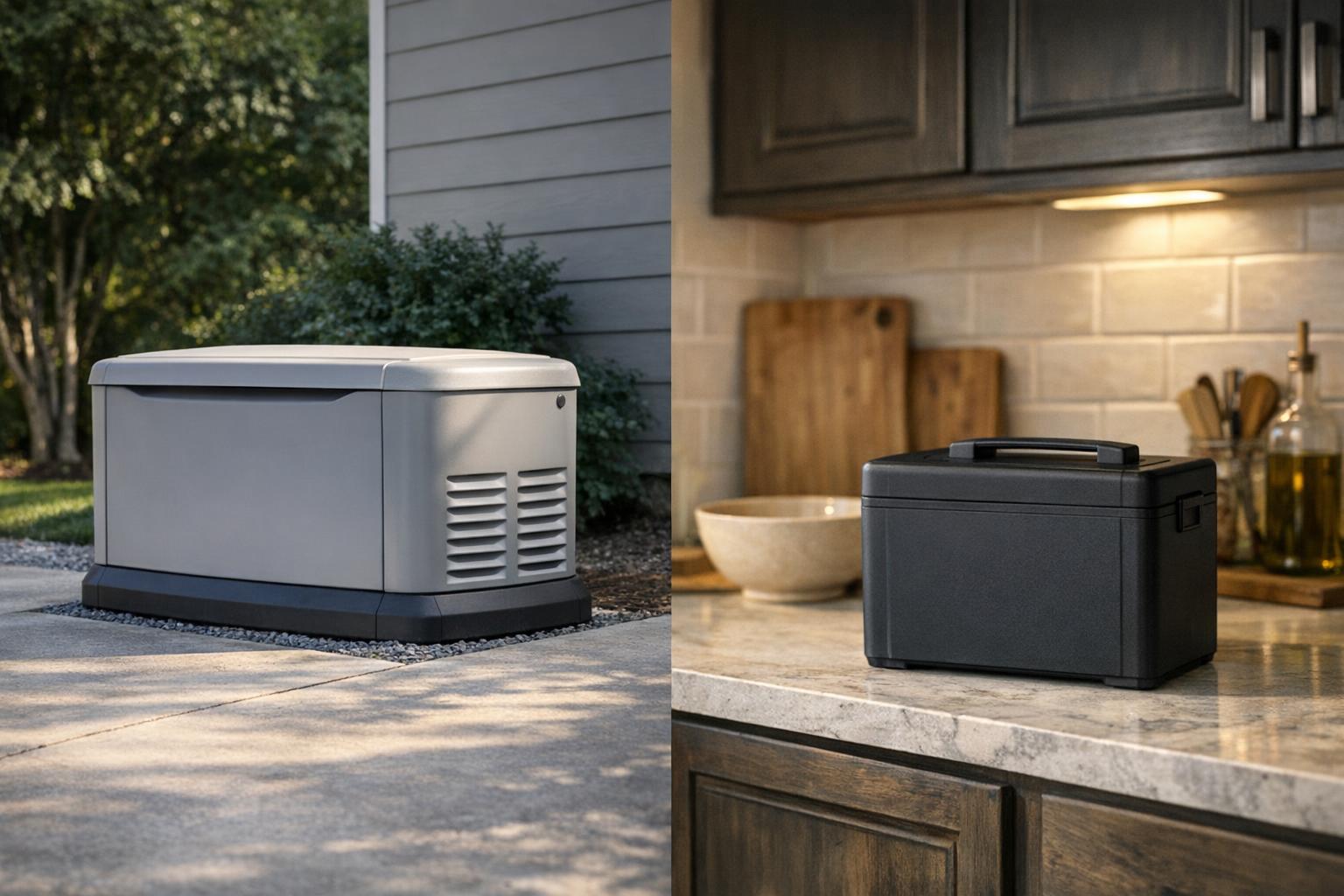
A fuel-burning portable generator and a battery power station both promise “backup power,” and that shared phrase hides how differently they behave in a real outage. This site covers combustion generators — gasoline, propane and tri-fuel. This article is the one place we look across the fence, so you can tell quickly which tool your situation actually calls for.
The fundamental difference: energy from fuel vs energy from a charge
A combustion generator converts fuel into electricity for as long as you can keep feeding it — its endurance is limited by fuel logistics, not by a fixed reservoir. A battery power station delivers a fixed budget of stored energy, measured in watt-hours, and then must be recharged from a wall, a vehicle or solar panels. Neither model is superior in the abstract; they fail differently. In a two-hour outage the battery’s silence wins. In a five-day ice-storm outage, the ability to pour in another can of fuel or swap a propane cylinder becomes decisive.
Where the fuel-powered generator is the right tool
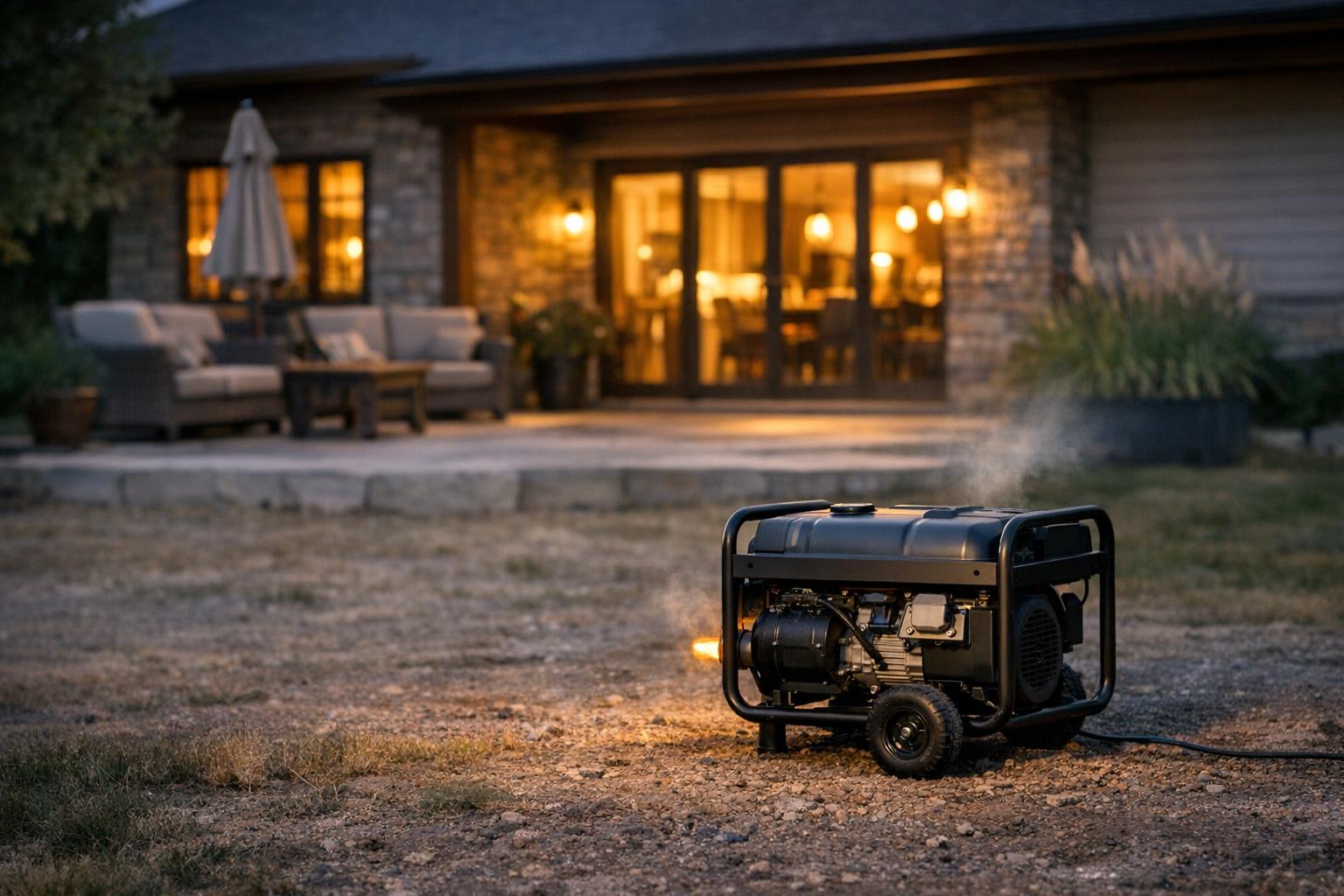
Long or indefinite outages, high sustained loads, and homes with heavy essential circuits — well pumps, sump pumps, furnace blowers, large refrigeration — are generator territory. Large dual fuel frames sustain 7,000–12,000 running watts for as long as fuel lasts, at a fraction of the cost per delivered watt of any battery. Refueling takes minutes; recharging a large battery mid-outage may have no good answer at all. This endurance is why our whole site focuses on dual fuel units for home backup.
Where a battery power station is the right tool
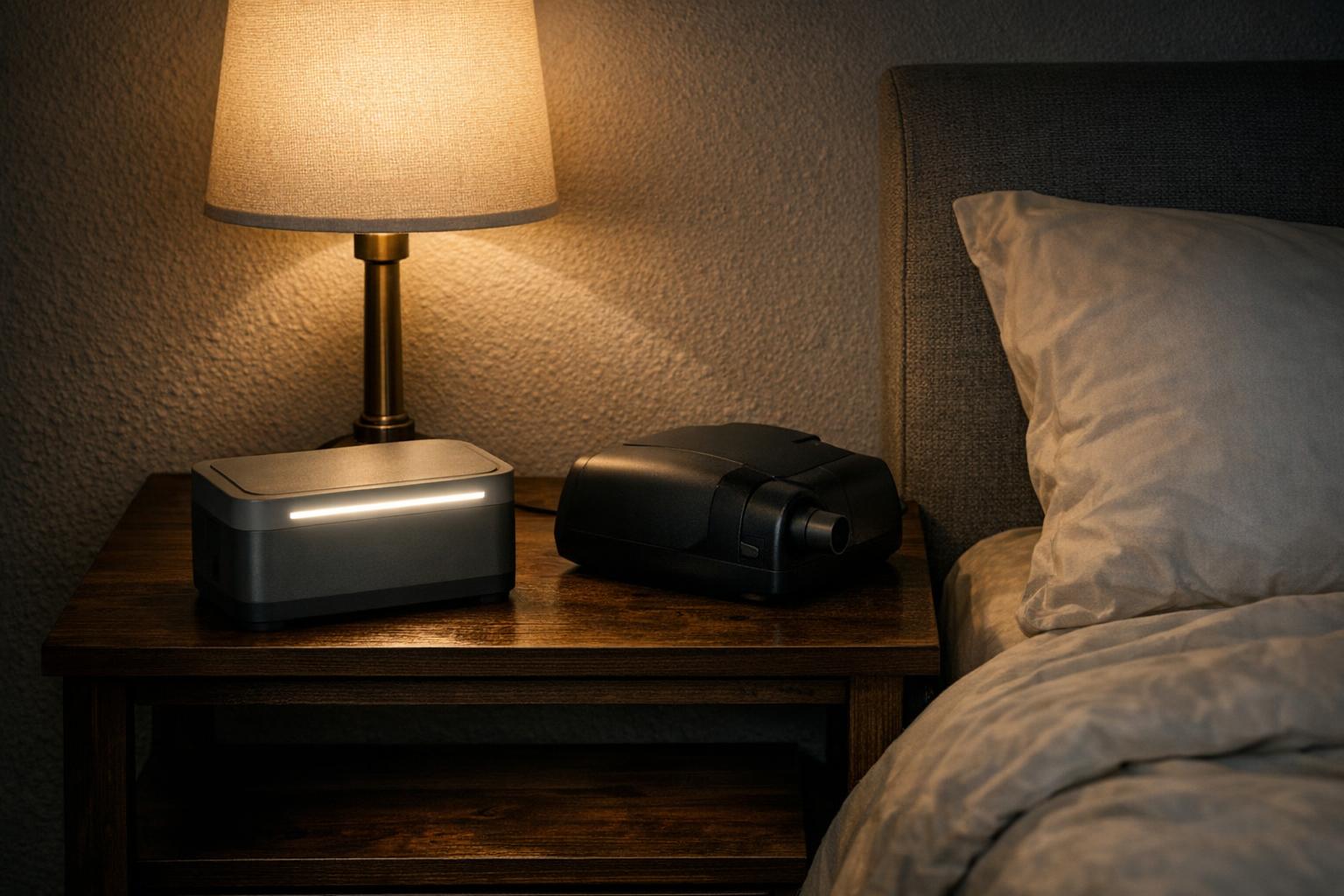
Battery stations run silently, produce no exhaust, and are the only option safe to use indoors — a combustion generator must never run inside a home or garage. For apartments, for medical devices at the bedside, for short outages, for quiet-hours use in dense neighborhoods, and for loads measured in hundreds rather than thousands of watts, a battery station is genuinely the better instrument. We do not cover battery stations here: for documented battery comparisons, capacity math and charging guidance, read our sibling research site Backup Power Stations.
The comparison table you should not build
Ranking a 12,500-peak-watt dual fuel frame against a battery box in one list produces nonsense: the numbers that matter (watt-hours for one, fuel logistics for the other) do not share units, and the safety envelopes are opposites. That is why you will not find a combustion-vs-battery product comparator on this site. Decide the class first — endurance or silence — then compare within it.
Hybrid strategies that make sense
Households with long-outage exposure often end up with both: a small battery for instant, silent, indoor bridging — phones, router, CPAP overnight — and a dual fuel generator for the long haul running refrigeration and pumps in daylight hours. The generator can also recharge the battery outdoors while it runs other loads, keeping quiet power available for the night. If you go this route, size each tool for its own job rather than compromising both.
Safety envelopes are not interchangeable
Whatever the marketing suggests, the operating rules never transfer between classes: a combustion generator runs outdoors only, far from openings, per the manufacturer’s manual and CPSC guidance — see our carbon monoxide placement guide.[1] Battery stations have their own rules around charging and temperature, documented by their manufacturers. Neither device should ever be improvised into household wiring; that path runs through a licensed electrician, as our transfer switch explainer describes.
Questions to ask before you buy either one
Before defaulting to the tool that feels more familiar, write down your actual outage history and your actual essential-load list, then ask whether that list is measured in hundreds of watts for a few hours, or thousands of watts for days. A household whose worst realistic outage is an evening without power for phones, a router and a lamp is buying far more machine — and far more maintenance burden — than it needs with a large dual fuel frame. A household with a well pump, sump pump and standard refrigerator facing multi-day winter outages is, conversely, asking a battery to do a job it was never designed for.
It is also worth being honest about maintenance appetite. A combustion generator rewards owners willing to keep it on the schedule in our maintenance guide — oil changes, fuel rotation, periodic exercise — and punishes owners who store it and forget it. A battery station's maintenance burden is lower but not zero: batteries degrade with poor storage temperatures and deep discharge cycles, and a battery left fully depleted for months can suffer permanent capacity loss. Match the tool not just to the outage you expect, but to the upkeep routine you will actually sustain.