
Alicia Brandt, Safety & hookup editor
I read the safety section of a manual first. The warnings, the grounding page, the paragraph about distance from doors and windows. Most buyers skip straight to the wattage. I get it, but that's where the serious mistakes start.
My guides cover what happens between the generator and the house: transfer switches and interlock kits, which outlet on the panel matches which inlet, why a 30 amp cord and a 50 amp RV plug don't swap, and where the unit should sit while it runs. I check each point against the manufacturer's documents and the CPSC and Ready.gov guidance, and I keep the wording plain: nobody reads a safety guide twice.
Fuel storage sits with me too, along with the fine print: CO shutoff features, EPA and CARB status, warranty terms and what voids them. Owner reviews help more than you'd think. When several people describe the same tripping breaker or a loose inlet box, it goes next to the spec sheet.
I'm not an electrician, and I don't write as if I were. When a job belongs to a licensed pro, the guide says so and lists the questions to ask. I write the guides on transfer switches, interlock kits, CO placement and fuel storage, and I edit Rebecca's guides on starting watts and on battery stations.
Areas of expertise
- Transfer switches and interlock kits
- Carbon monoxide: placement and CO shutoff
- Outlets and cords: TT-30, L14-30, 50 A
- Storing gasoline and propane at home
- Warranty terms and EPA / CARB status
How I work
- The safety pages of the manual come first, before the wattage table.
- Every hookup claim (outlet, inlet, transfer switch, interlock) is checked against the manufacturer's documents for the exact model.
- Placement advice follows the manual and the CPSC guidance, never a shortcut from a forum thread.
- When a step needs a licensed electrician, the guide says so and lists what to ask.
Articles by Alicia Brandt
Written
 Safety
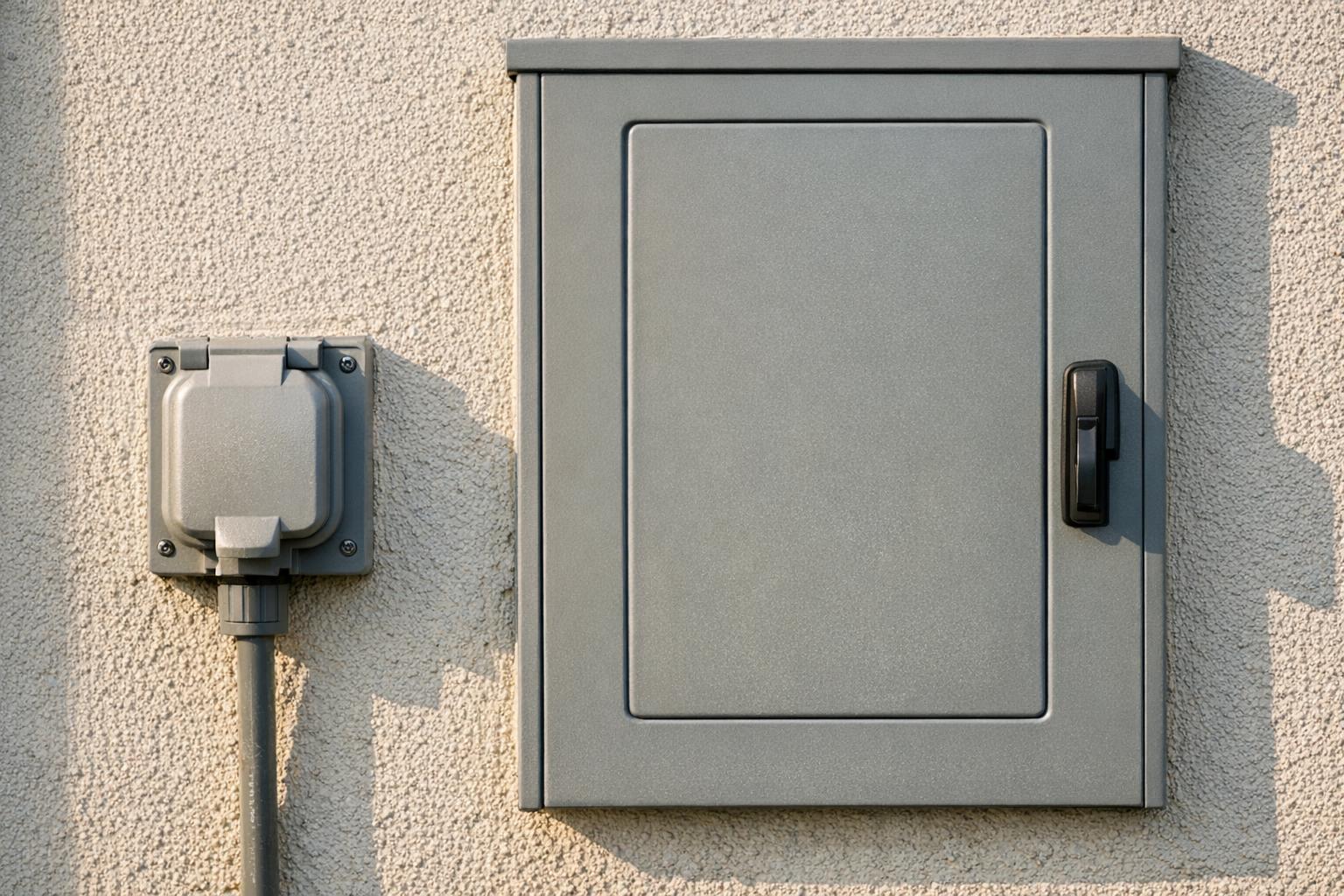
Transfer Switches Explained: How Generators Power Circuits Safely
What a transfer switch does, why it must be installed by a licensed electrician, and why backfeeding a home through an outlet is never acceptable.
Read the guide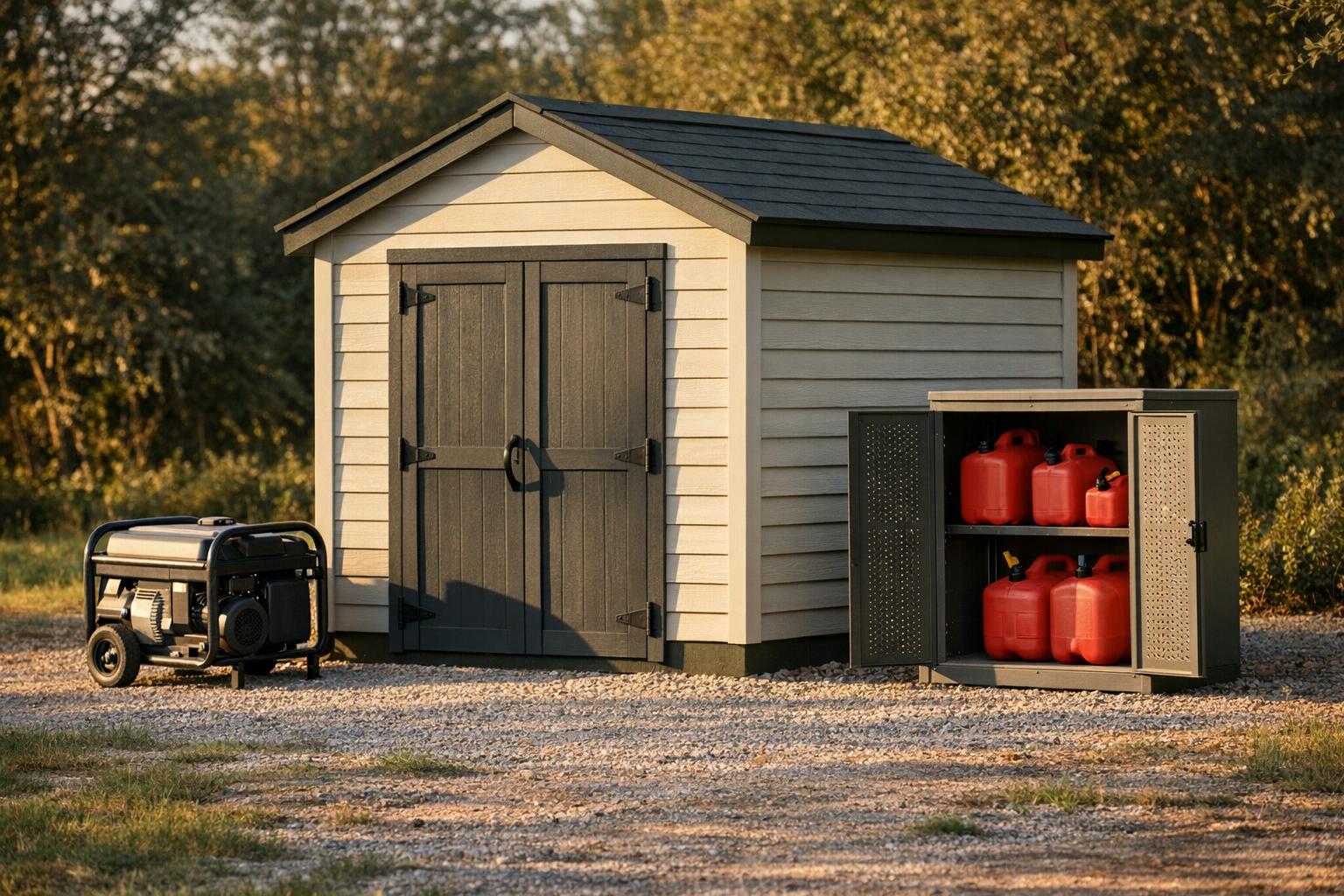 Safety
Storing Generator Fuel Safely: Gasoline and Propane at Home
How to store gasoline and propane for a portable generator: approved containers, rotation, placement away from living spaces, per official guidance.
Read the guide Safety
Generator Carbon Monoxide Safety: Placement Rules That Matter
Portable generators run outdoors only, far from doors, windows and vents. CO shutoff sensors, home alarms and placement rules per CPSC guidance.
Read the guide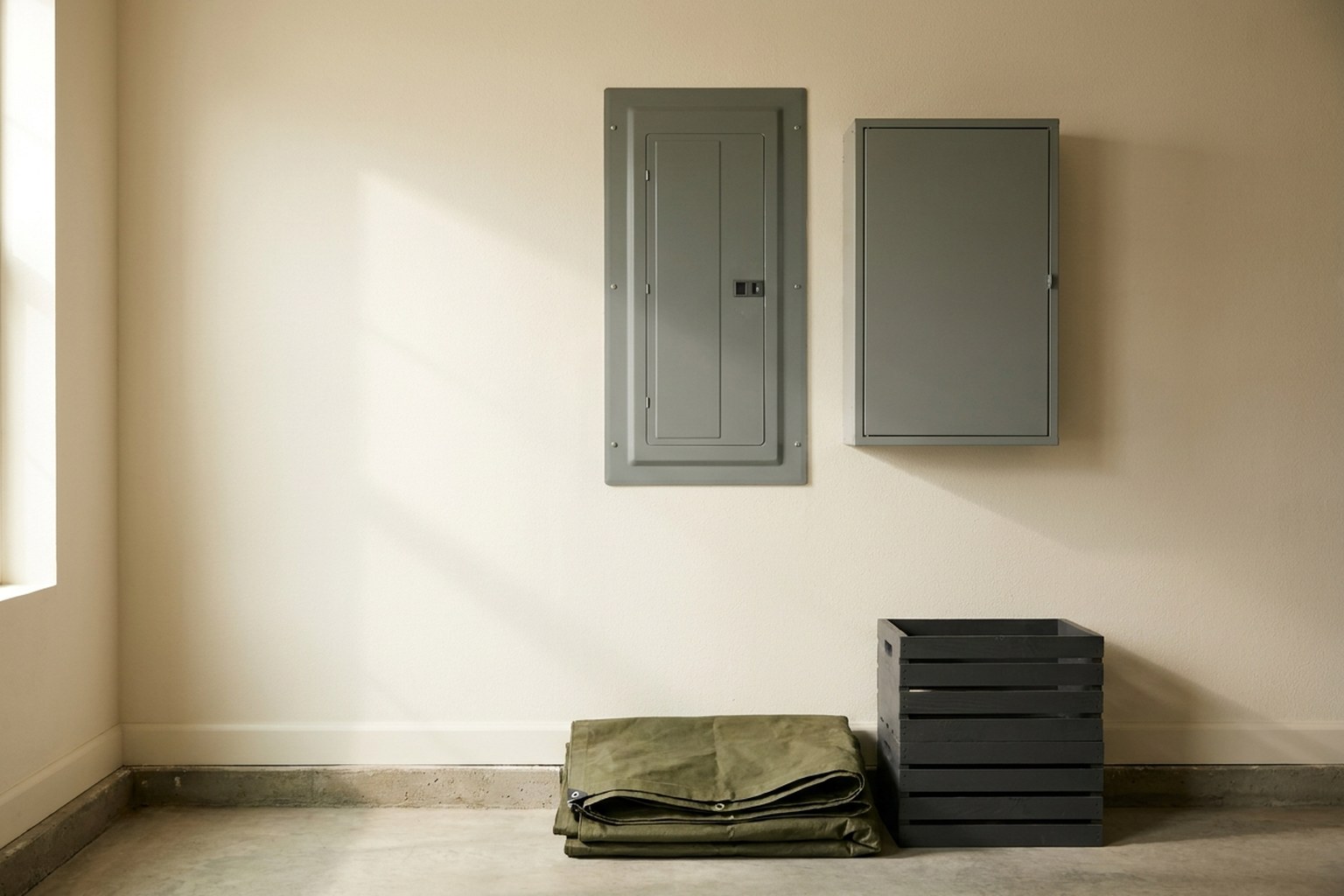 Safety
Generator Interlock Kit vs Transfer Switch: Which One Fits Your House?
Interlock kit vs transfer switch for a portable generator: how each one stops backfeed, which circuits you get, and why both need a licensed electrician.
Read the guideEdited
 Buying Guides
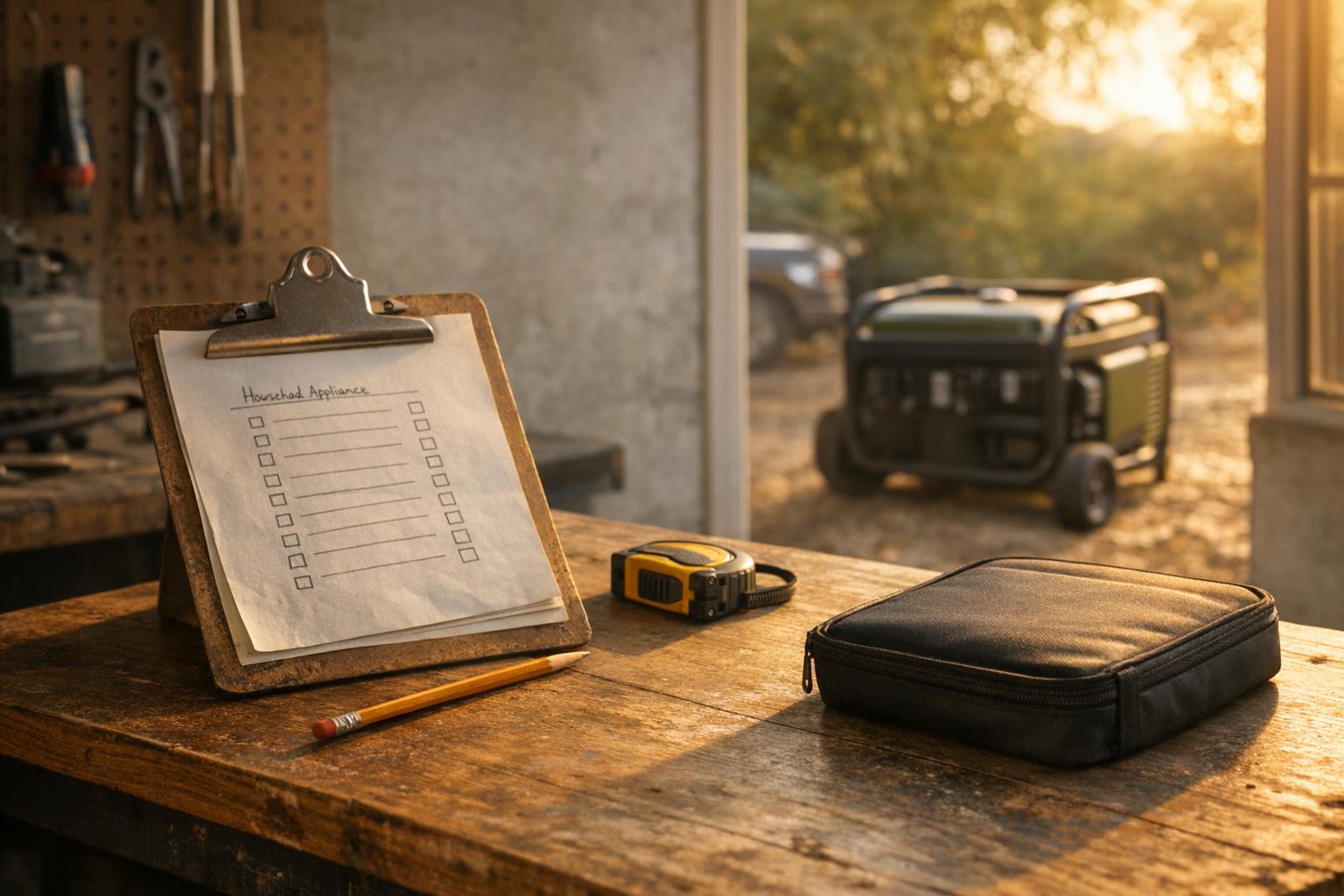
Starting Watts vs Running Watts: Reading Generator Ratings Correctly
Starting (peak) watts and running (rated) watts describe different demands. Learn to read both numbers before sizing a portable generator.
Read the guide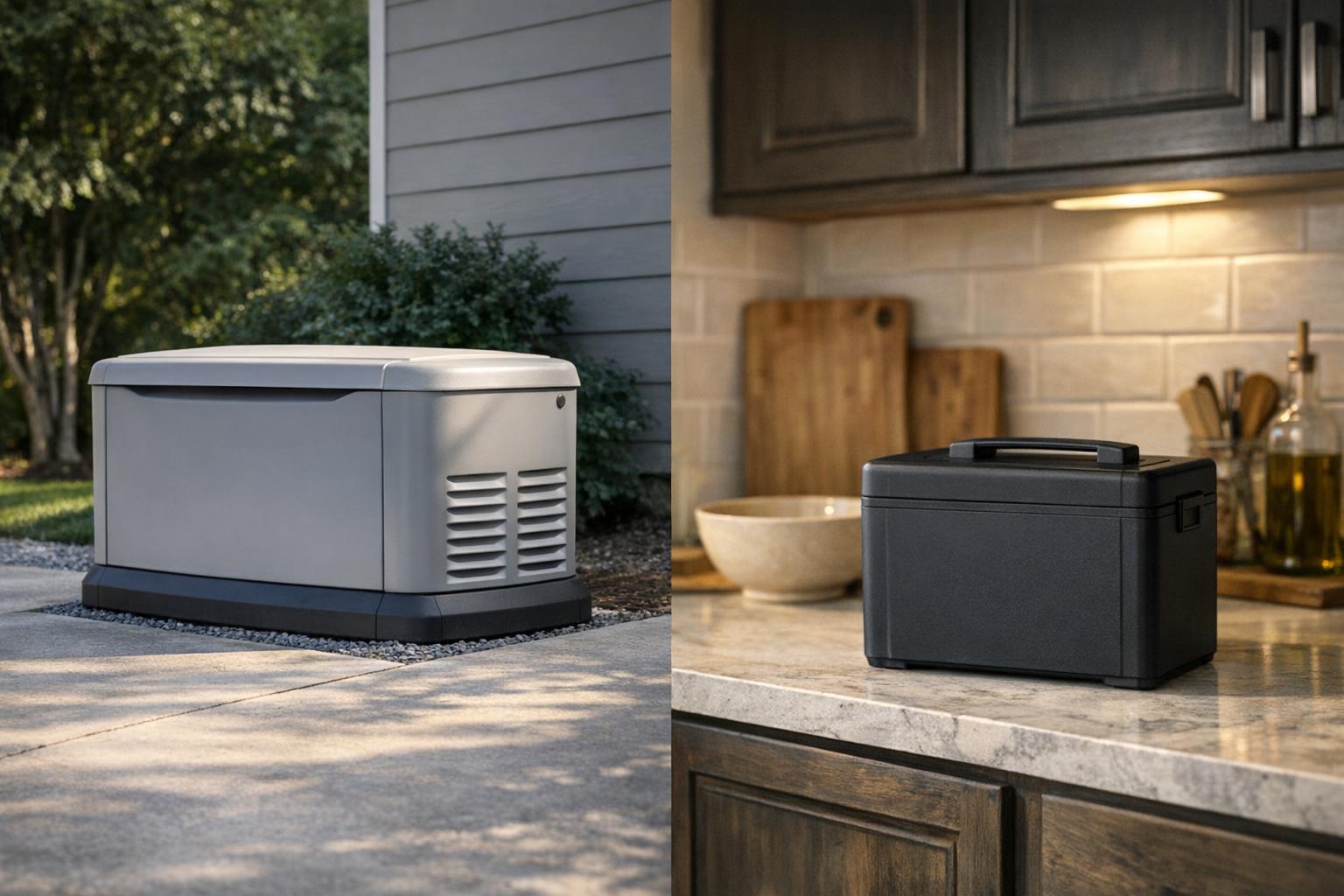 Buying Guides
Portable Generator vs Battery Power Station: Two Different Tools
Power station vs generator: a battery runs silently indoors for hours, a fuel generator outdoors for days. Which fits your outage, and when to own both.
Read the guideHow we compare and rate the generators is explained on How we rate. The rest of the team: Our editors.